Understanding Neuroplasticity: How Your Brain Can Heal
Explore the amazing power of neuroplasticity, the brain's ability to reorganize itself by forming new neural connections throughout life. Discover how this fundamental concept means your brain isn't fixed, offering profound potential for learning, recovery, and healing after injury or change.
ACQUIRED BRAIN INJURYSTROKETRAUMATIC BRAIN INJURY
© 2025 Neurological Physio.
10/21/20252 min read
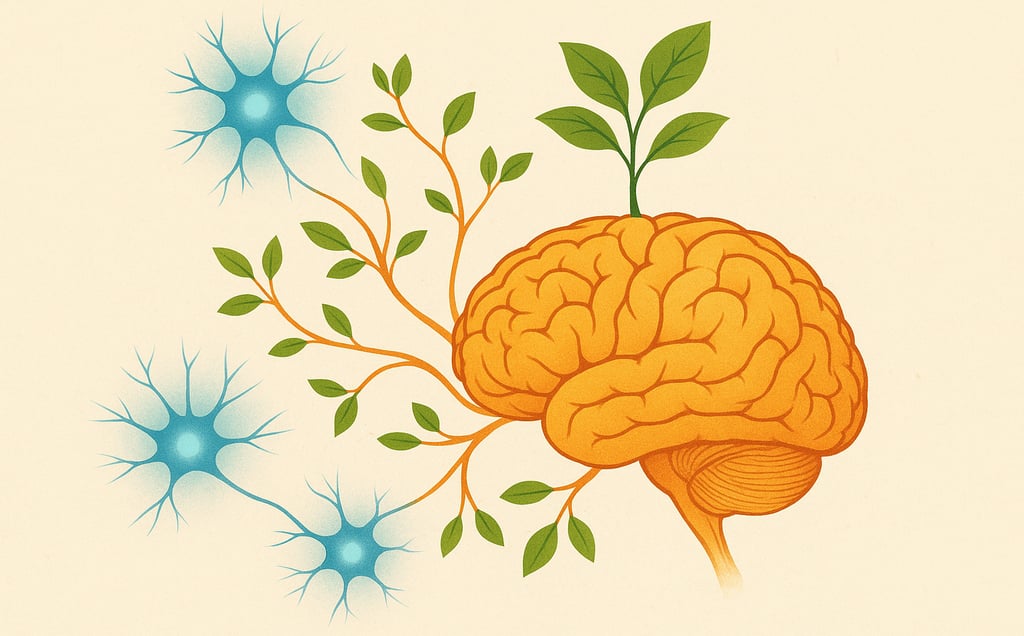
For many years, people believed that once the brain was damaged, it couldn’t repair itself. But modern research shows the opposite — our brains are adaptable and capable of healing through a process called neuroplasticity.
What Is Neuroplasticity?
Your brain is like a giant network of roads. When one road is blocked — for example, after a stroke or injury — the brain can build new routes to keep traffic (information) moving. In other words, other parts of your brain can learn to take over lost functions.
This is how people can regain movement, speech, or memory after a brain injury. Neuroplasticity is the reason therapy and practice work — each repetition helps the brain strengthen new connections.
What Helps Neuroplasticity?
Research shows that certain habits and lifestyle changes can support your brain’s ability to adapt:
✅ Regular practice and repetition – Repeating specific movements or exercises helps the brain “learn” them again. That’s why rehab after stroke or injury is so powerful.
✅ Physical exercise – Moving your body improves blood flow and oxygen to the brain. Even walking or gentle activity supports recovery.
✅ Learning new things – Trying a new skill, hobby, or even puzzles helps form fresh brain connections.
✅ Good sleep – During sleep, your brain processes information, stores memories, and strengthens new neural connections.
✅ Healthy diet and hydration – Eating balanced meals with plenty of fruits, vegetables, and healthy fats keeps the brain well-nourished.
✅ Supplementing key nutrients – Vitamin D and omega‑3 fatty acids (like DHA) are well-researched and support brain health; speak to your doctor before taking any supplements.
✅ Nootropics – Substances that may help the brain work better—improving focus, memory, or creativity. One example is Lion’s Mane mushroom, which shows potential for improving cognitive function and treating early Alzheimer's, supporting nerve growth, and providing antioxidant, anti-inflammatory, and gut health benefits.
A Message of Hope
Your brain is constantly changing. Even after illness or injury, it can find new ways to work — especially when given the right support.
Through practice, patience, movement, and proper care, healing and improvement are possible.